
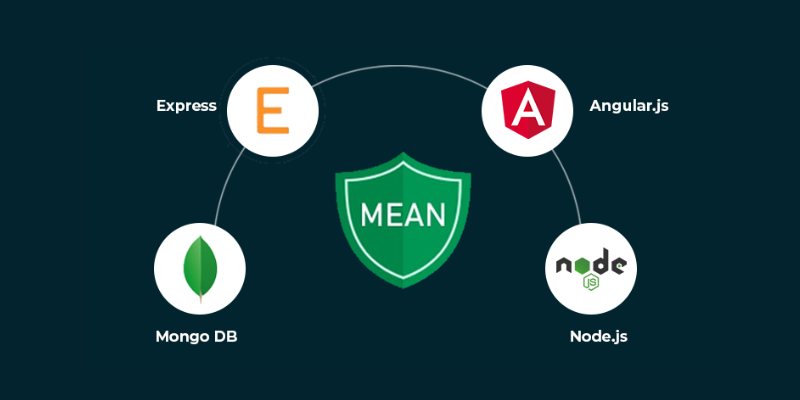
The MEAN stack, comprising MongoDB, Express.js, Angular, and Node.js, is popular for building dynamic and scalable web applications. However, as your application gains popularity and experiences increased traffic, it’s essential to implement strategies to scale it effectively. This blog post will explore techniques and best practices for scaling MEAN stack apps to handle high-traffic loads while maintaining performance and reliability. If you want to gain expertise in building and scaling MEAN stack applications, consider enrolling in MEAN Stack Training in Chennai.
Database Scaling with MongoDB
MongoDB is known for its scalability and flexibility, making it suitable for handling large volumes of data. To scale MongoDB for high traffic, consider sharding, a technique that distributes data across multiple servers. Implementing sharding allows your database to scale horizontally, accommodating increased read and write operations seamlessly.
Load Balancing with Express.js and Node.js
In MEAN stack applications, Express.js and Node.js handle server-side logic and API endpoints. Use a load balancer to distribute incoming requests evenly and prevent overloading a single server. Popular load-balancing solutions like Nginx or HAProxy can efficiently distribute traffic across multiple instances of your Node.js server, ensuring optimal performance and reliability.
Caching with Angular and Node.js
Caching frequently accessed data can significantly reduce the load on your servers and improve response times. Utilize caching mechanisms such as Redis or Memcached to store commonly requested data in memory. By caching data at both the client and server levels, you can minimize database queries and deliver faster user experiences. To gain expertise in implementing caching mechanisms and optimizing performance in MEAN stack applications, consider enrolling in MEAN Stack Online Training offered by reputable institutions.
Microservices Architecture
Breaking down your application into smaller, independent services using a microservices architecture can simplify scaling and improve fault isolation. Each microservice can be deployed and scaled independently, allowing you to allocate resources efficiently based on demand. Additionally, microservices facilitate continuous deployment and enable teams to work on different application parts simultaneously.
Horizontal Scaling with Containerization
Containerization technologies like Docker and Kubernetes provide powerful tools for horizontal scaling. By containerizing your MEAN stack application components, you can easily spin up additional instances to handle increased traffic spikes. Kubernetes, in particular, offers robust orchestration capabilities for managing containerized workloads at scale, ensuring high availability and reliability.
Performance Monitoring and Optimization
Regular performance monitoring and optimization are essential for identifying bottlenecks and improving efficiency. Utilize monitoring tools like Prometheus, Grafana, or New Relic to track key performance metrics such as response times, CPU usage, and memory utilization. Optimize your codebase, database queries, and network configurations based on performance insights to maximize scalability and resource utilization.
Scaling MEAN stack applications for high traffic requires carefully planning and implementing scalable architecture patterns and techniques. By leveraging database scaling, load balancing, caching, microservices architecture, containerization, and performance monitoring, you can ensure your MEAN stack app remains responsive and reliable under heavy loads. Continuously evaluate and optimize your scaling strategies to accommodate growth and deliver exceptional user experiences. If you’re seeking expertise in mastering these techniques, consider enrolling in a reputable Software Training Institute in Chennai to gain comprehensive knowledge and hands-on experience in building scalable MEAN stack applications.